


Foot pain is more than just a minor inconvenience; it is a disruptive force that can impact your mobility, productivity, and overall quality of life. While many people turn to over-the-counter insoles for a quick fix, these “one-size-fits-all” solutions often fail to address the complex biomechanical issues unique to every individual. This is where custom orthotics become a game-changer.
Unlike mass-produced inserts, custom orthotics are medical devices specifically engineered to support and comfort your unique foot structure. In this guide, we will explore why custom orthotics are essential, the science behind their design, and how they can transform your daily life.
What Exactly Are Custom Orthotics?
At their core, custom orthotics are prescription medical appliances that you wear inside your shoes. They are designed to correct biomechanical foot issues that affect how you stand, walk, or run. Think of them like prescription eyeglasses for your feet—they provide the specific correction your body needs to function optimally.
There are generally two categories of custom orthotics:
- Functional Orthotics: These are typically made from rigid or semi-rigid materials like plastic or carbon fiber. They are designed to control abnormal motion and treat conditions like aching legs or back pain.
- Accommodative Orthotics: These are softer and designed to provide cushioning and support. They are often used to relieve pressure from painful conditions like diabetic foot ulcers or plantar fasciitis.
The Biomechanics of Pain: Why Support Matters
The human foot is an engineering marvel, containing 26 bones, 33 joints, and over 100 muscles, tendons, and ligaments. When one part of this system is out of alignment, it creates a “kinetic chain” reaction.
For instance, if your feet over-pronate (roll inward excessively), it can cause your knees to rotate inward, your hips to tilt, and your lower back to strain. This is why many people who visit the Humble Wellness Clinic for back or hip issues are surprised to find that the root of their problem actually starts at their feet.
Common Conditions Treated by Orthotics
- Plantar Fasciitis: The most common cause of heel pain, caused by inflammation of the tissue running across the bottom of your foot.
- Bunions: Orthotics can’t “cure” a bunion, but they can reduce the pressure and prevent the deformity from worsening.
- High Arches or Flat Feet: Both extremes place undue stress on the feet and ankles.
- Diabetic Foot Complications: Orthotics help redistribute weight to prevent sores and ulcers.
The Customization Process: Precision Engineering
The reason custom orthotics carry a higher SEO value in the medical world than retail inserts is the precision involved in their creation. The process at a professional clinic involves several high-tech steps:
1. Clinical Assessment
A healthcare provider performs a gait analysis, observing how you move. They look for signs of instability, poor weight distribution, and misalignment.
2. 3D Imaging and Casting
Rather than just stepping on a foam pad, modern clinics use 3D laser scanning or plaster casting to create a perfect volumetric model of your foot in its “neutral” position. This ensures the device isn’t just a mold of your current problem, but a blueprint for your ideal alignment.
3. Laboratory Fabrication
The data is sent to a specialized lab where technicians use CAD/CAM technology to mill the orthotic. Materials are chosen based on your weight, activity level, and specific pathology.
The Benefits: Why Invest in Your Feet?
If you are spending hours on your feet, the investment in custom orthotics pays dividends in long-term health.
- Injury Prevention: By aligning the joints, orthotics reduce the risk of stress fractures and tendonitis.
- Enhanced Performance: Athletes often find that proper alignment improves their balance and power transfer.
- Pain Reduction: For many, the relief from chronic heel or arch pain is immediate upon the conclusion of the break-in period.
- Longevity of Footwear: By correcting your gait, you stop wearing out your shoes unevenly.
Custom vs. Over-the-Counter: The Real Difference
It is tempting to grab a $30 gel insert from a pharmacy, but the differences are profound.
| Feature | Over-the-Counter (OTC) | Custom Orthotics |
|---|---|---|
| Material | Generic foam or gel | High-grade polymers, graphite, or cork |
| Longevity | 3–6 months | 3–5 years |
| Fit | Mass-produced by shoe size | Precision-molded to your anatomy |
| Medical Goal | Temporary comfort/cushioning | Biomechanical correction |
Export to Sheets
While OTC inserts provide cushioning, they rarely provide the structural support needed to fix a gait abnormality. For more information on the standards of podiatric care, you can visit the American Podiatric Medical Association (APMA).
Maximizing Your Results: Tips for Success
To get the most out of your new devices, keep these tips in mind:
- The Break-In Period: Your feet and muscles need time to adjust. Start by wearing them for 1-2 hours on the first day and gradually increase the time over two weeks.
- Proper Footwear: An orthotic is only as good as the shoe it sits in. Look for shoes with a removable factory insole and a firm heel counter.
- Regular Check-ups: Your feet change over time. It’s recommended to have your orthotics assessed every 12 to 18 months to ensure they are still providing the necessary support.
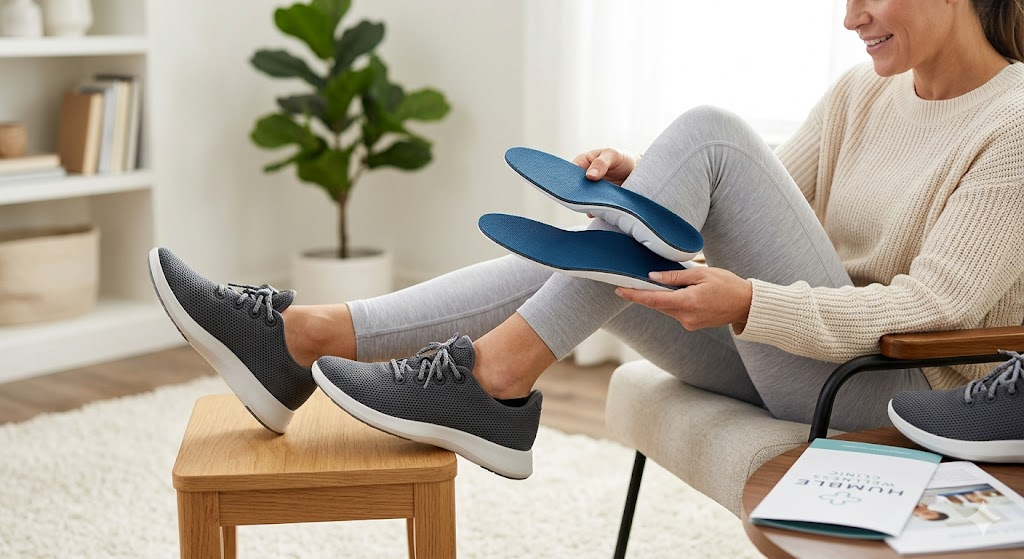
Conclusion: Take the First Step Toward Health
Don’t let foot pain dictate your lifestyle. Whether you are a high-performance athlete or someone who simply wants to walk through the grocery store without discomfort, custom orthotics provide the foundation your body deserves.
By addressing the root cause of your pain rather than just masking the symptoms, you are making a long-term commitment to your mobility. If you’re ready to experience the difference that precision-engineered support can make, contact the experts at Humble Wellness Clinic to schedule your comprehensive gait analysis today. Furthermore, investing in your foot health is a proactive step toward maintaining independence as you age. By stabilizing your foundation today, you prevent the secondary joint degeneration that often leads to chronic mobility issues later in life. Professional assessment ensures that every contour of the orthotic serves a medical purpose, providing you with the reliable, long-lasting comfort that generic retail inserts simply cannot replicate.
Your journey to pain-free living starts from the ground up.