


Chronic pain can be an exhausting companion, often dictating how you live your life and limiting your daily activities. While medication is a common route for management, many people are now seeking non-invasive, drug-free alternatives to regain control. Enter the TENS machine. This compact piece of technology has revolutionized at-home pain management by bringing clinical-grade relief directly to the consumer.
In this comprehensive guide, we will explore the science behind Transcutaneous Electrical Nerve Stimulation (TENS), its myriad of benefits, and how you can safely integrate it into your wellness routine.
What Exactly is a TENS Machine?
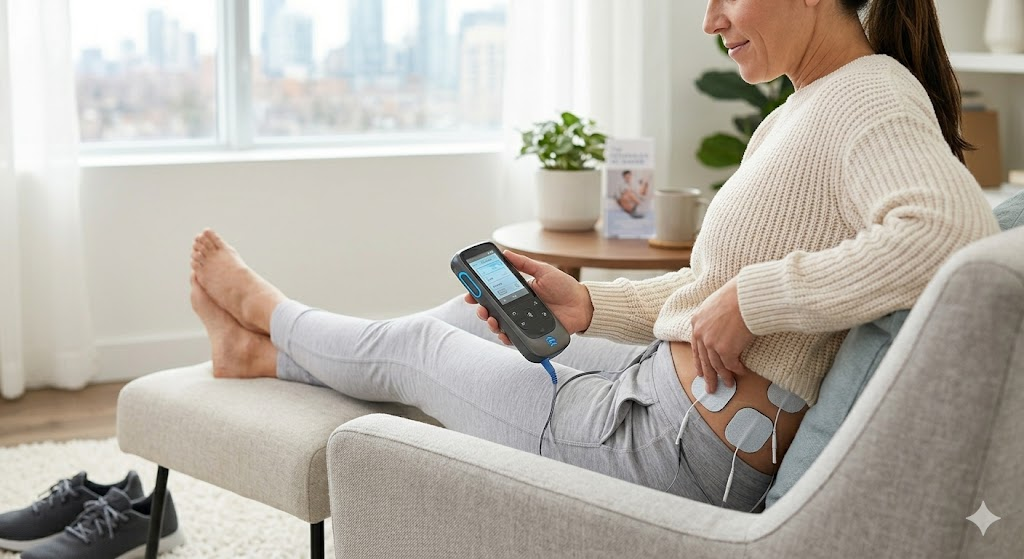
To begin with, it is essential to understand what the acronym stands for. TENS stands for Transcutaneous Electrical Nerve Stimulation. Essentially, these are small, battery-operated devices that deliver low-voltage electrical currents through the skin via adhesive electrode pads.
Furthermore, the device is designed to be portable, allowing users to manage their pain while relaxing at home, working at a desk, or even going for a walk. Unlike heavy clinical machinery, a modern TENS unit can often fit in your pocket, making it a highly accessible tool for modern pain management.
The Dual Science of TENS: How It Works
How can a simple electrical pulse reduce physical pain? Specifically, scientists point to two primary mechanisms that allow TENS to be so effective.
1. The Gate Control Theory
Initially, think of your nerves as a highway leading to your brain. When you experience an injury, “pain signals” travel along this highway. However, the electrical pulses from a TENS machine create a different sensation—a tingling or buzzing feeling. As a result, these “faster” tingling signals reach the brain first and effectively “close the gate” on the slower pain signals. Consequently, the brain perceives significantly less pain because the highway is already occupied.
2. Endorphin Release
Additionally, TENS therapy encourages the body to produce its own natural painkillers. By using specific low-frequency settings, the electrical stimulation triggers the release of endorphins. Notably, these are the “feel-good” chemicals that act similarly to morphine but are produced naturally by your own system. Thus, you receive a dual-action benefit: an immediate “gate” block and a long-term chemical boost.
Who Can Benefit from TENS Therapy?
In fact, the applications for TENS are remarkably diverse. For instance, it is frequently used to treat:
- Lower Back Pain: One of the most common uses, helping to soothe muscle spasms and sciatica.
- Arthritis: Reducing joint inflammation and stiffness in the knees, hands, or hips.
- Period Pain: Providing a drug-free alternative for severe menstrual cramping.
- Post-Surgical Recovery: Assisting patients in managing acute pain during the healing phase.
- Sports Injuries: Helping athletes recover from strains, sprains, and tendonitis.
Moreover, TENS is often used by those with fibromyalgia or chronic neck tension caused by “tech neck.” Clearly, its versatility makes it a staple in both home first-aid kits and professional physiotherapy clinics.
[Image showing a close-up of a TENS electrode pad being applied to a knee joint, highlighting the adhesive quality]
Setting Up for Success: A Step-by-Step Guide
To ensure you get the most out of your device, proper setup is crucial. Follow these steps to maximize your results:
- Clean the Skin: Before anything else, ensure the area is clean and dry. Oils or lotions can prevent the pads from adhering properly.
- Pad Placement: Place the pads on either side of the painful area. Crucially, never place them directly on your spine, throat, or temples.
- Frequency and Intensity: Start low. Turn the machine on and gradually increase the intensity until you feel a strong but comfortable tingling sensation. It should never feel painful.
- Duration: Most sessions last between 20 to 30 minutes. However, always consult your manual for specific timing recommendations.
Safety First: Who Should Avoid TENS?
While TENS is generally very safe, there are specific contraindications to keep in mind. Most importantly, you should not use a TENS machine if you have:
- An implanted pacemaker or cardioverter defibrillator.
- A history of heart rhythm problems.
- Epilepsy.
- Are in the early stages of pregnancy (unless under direct medical supervision).
Furthermore, never apply pads to broken skin, open wounds, or numb areas where you cannot feel the intensity. For detailed safety standards and medical research regarding electrical stimulation, you can visit the National Institutes of Health (NIH).
Maximizing Your Results: Tips for Longevity
To maintain your TENS machine over time, a little care goes a long way. For example, always place the protective film back on the electrode pads after use to prevent them from drying out. Additionally, if the pads lose their stickiness, a small drop of water can often rejuvenate the gel.
Moreover, it is beneficial to experiment with the different “modes” on your machine. Most units come with pre-set programs for different body parts. By switching between massage, acupuncture, and continuous modes, you prevent your nerves from becoming “bored” or accustomed to the sensation, which keeps the treatment effective.
Comparing TENS to EMS: Know the Difference
Frequently, people confuse TENS with EMS (Electrical Muscle Stimulation). In reality, they serve different purposes. While TENS is designed to stimulate nerves for pain relief, EMS is designed to stimulate muscles for strengthening and recovery. Therefore, if your goal is to block pain, a TENS-specific setting is what you need.
Conclusion: Empowering Your Recovery
In summary, a TENS machine is an incredibly powerful, portable, and cost-effective tool for anyone struggling with physical discomfort. By understanding how to use the device correctly and respecting the safety guidelines, you can significantly reduce your reliance on oral pain medications.
Ultimately, your health is a journey, and having the right tools in your kit makes all the difference. Whether you are managing a long-term condition or recovering from a recent strain, TENS therapy offers a way to feel better on your own terms. Don’t let pain hold you back any longer; explore the possibilities of electrical stimulation and step back into the activities you love. Furthermore, by consistently applying these safe, non-invasive techniques, you are choosing a sustainable path toward holistic wellness and long-term recovery. This modern technology provides the precise, localized relief needed to maintain a vibrant, active lifestyle without the side effects of traditional medicine.