


Most people tend to ignore their feet until something goes wrong. We rely on them to carry our weight every single day. We shove them into tight shoes and walk on hard surfaces for hours. Yet, the feet are often the most neglected part of the human body. This lack of attention can lead to significant health issues over time. Maintaining healthy feet is not just about comfort. It is about your overall mobility and long-term quality of life. This is where a podiatrist becomes an essential part of your healthcare team.
Foot Anatomy. Human Foot With The Name And Description Of All Bones And Sites. Top View And Side Vie
Understanding the Role of a Podiatrist
A podiatrist is a doctor of podiatric medicine (DPM). They are highly trained specialists who focus on the lower extremities. This includes the feet, ankles, and related structures of the leg. They deal with everything from skin conditions to complex surgical reconstructions. Many people assume they should only visit one if they have a broken toe. However, their expertise covers a much wider range of issues. They understand the intricate mechanics of how we move. Because the foot contains 26 bones and dozens of joints, things can easily go out of alignment.
Prevention is Better Than Cure
Many foot problems begin as minor annoyances. You might notice a small callus or a slight ache in your heel. Frequently, people choose to wait and see if the pain goes away. Unfortunately, minor issues often evolve into chronic conditions. A podiatrist can identify these problems before they become debilitating. For example, early intervention for a bunion can prevent the need for surgery later. Regular check-ups allow for professional monitoring of your gait and posture. By catching irregularities early, you can avoid secondary pain in your knees, hips, and lower back.
The Connection Between Feet and Systemic Health
Your feet can actually act as a mirror for your overall health. Many systemic diseases show their first signs in the lower extremities. Podiatrists are often the first to notice symptoms of diabetes or peripheral artery disease. They look for changes in skin color, temperature, and hair growth on the feet. Poor circulation often manifests in the toes first. Furthermore, swelling in the ankles can be a sign of heart or kidney issues. By visiting a podiatrist, you are getting a specialized screening that protects your entire body.
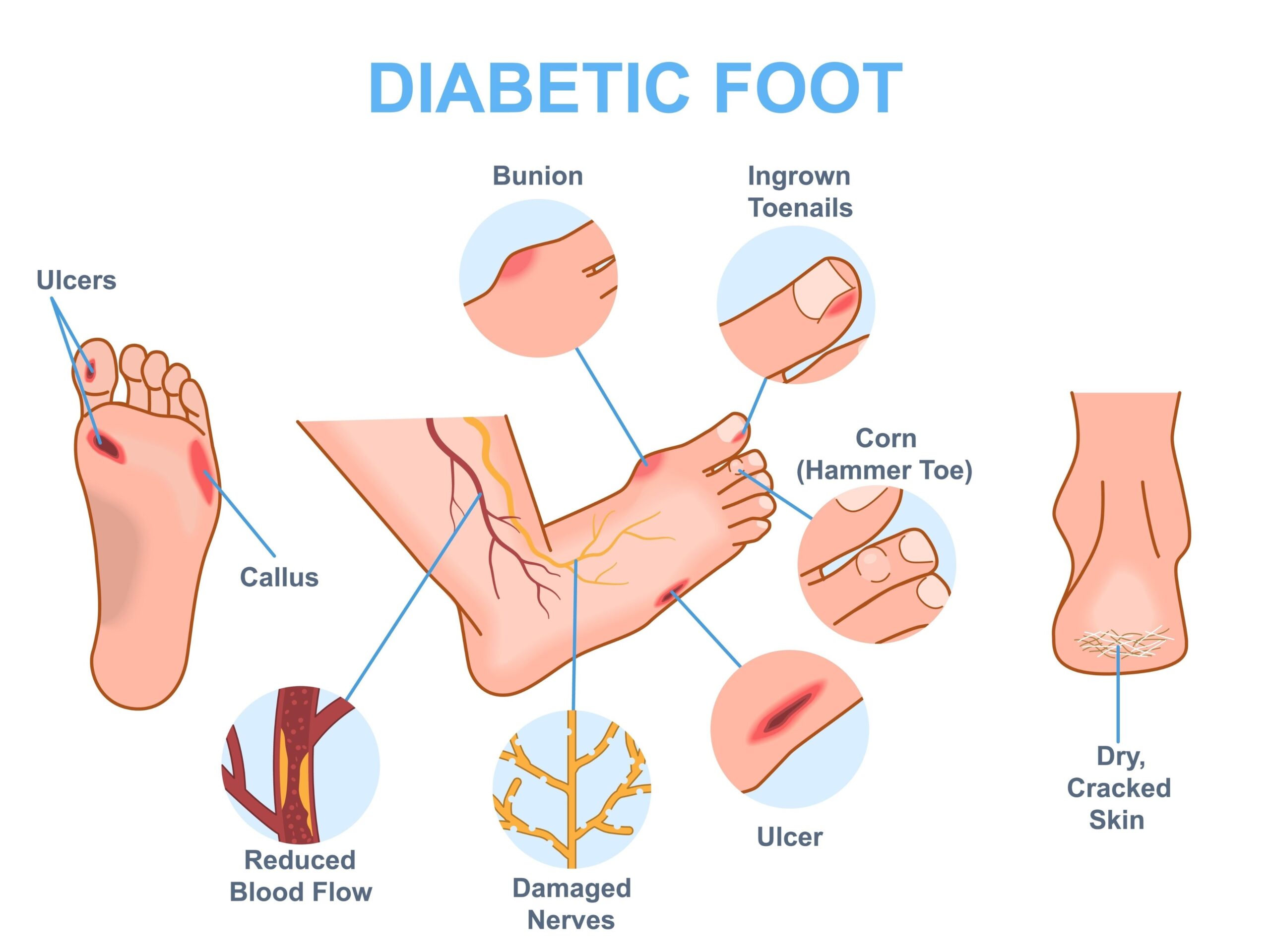
Managing Chronic Conditions Like Diabetes
For individuals living with diabetes, foot care is a matter of survival. Diabetes can cause nerve damage, also known as neuropathy. This means a person might not feel a cut or a blister on their foot. If left untreated, a small wound can turn into a serious infection or ulcer. Podiatrists play a critical role in diabetic wound care and limb salvage. They provide specialized education on how to inspect feet daily. They also offer professional nail trimming to prevent accidental nicks. Without this professional oversight, the risk of amputation increases significantly.
Professional Treatment for Common Ailments
Even if you are healthy, common foot issues can ruin your day. Ingrown toenails are a perfect example of a painful but treatable problem. Many people try “bathroom surgery” to fix them at home. This often leads to deep infections and more pain. A podiatrist can perform a quick, sterile procedure to fix the nail permanently. Similarly, fungal infections of the skin and nails are notoriously difficult to treat with over-the-counter creams. Podiatrists have access to stronger medications and advanced laser therapies. They ensure the infection is actually eradicated rather than just suppressed.
Addressing Heel Pain and Plantar Fasciitis
One of the most common reasons people seek help is heel pain. Usually, this is caused by a condition called plantar fasciitis. This involves inflammation of the thick band of tissue running across the bottom of your foot. It causes a stabbing sensation, especially with those first steps in the morning. While rest helps, it rarely solves the underlying mechanical cause. A podiatrist can analyze your foot structure to see why the fascia is being strained. They might recommend custom orthotics, specific stretching exercises, or even shockwave therapy. These professional treatments provide much faster relief than simply waiting it out.
The Science of Custom Orthotics
Not all feet are created equal. Some people have high arches, while others have flat feet. Retail shoe inserts are designed for a “generic” foot. Consequently, they often provide insufficient support or even cause new pain. Podiatrists can create custom-molded orthotics designed specifically for your unique foot shape. These devices realign the foot to a neutral position. This redistribution of pressure can alleviate pain in the shins and knees as well. It is an investment in your structural alignment that pays off with every step you take.
Enhancing Athletic Performance
If you are an athlete, your feet are your most important equipment. Runners, dancers, and hikers put immense stress on their lower limbs. Small biomechanical flaws can lead to repetitive stress injuries like shin splints or stress fractures. A podiatrist can perform a gait analysis to see how your foot strikes the ground. They can provide advice on the best footwear for your specific sport and foot type. By optimizing your mechanics, they help you perform better and stay injury-free. Professional athletes rely on podiatrists to keep their careers on track.
Care for the Aging Foot
As we age, our feet naturally change. We lose the fatty padding on the bottom of our heels. Our joints may develop arthritis, making movement stiff and painful. Furthermore, it becomes harder for seniors to reach their feet to provide basic care. Podiatrists offer essential maintenance for the elderly population. This includes managing thick nails, treating corns, and monitoring for balance issues. Maintaining foot health is a key component of fall prevention in older adults. When your feet feel good, you are more likely to stay active and social.
Specialized Care for Children
Children’s feet are still developing and are quite flexible. However, parents should watch for signs of “pigeon toes” or flat feet that don’t resolve. If a child complains of foot pain or tires easily during play, it is not always “growing pains.” Early podiatric evaluation can correct alignment issues while the bones are still growing. This prevents permanent structural problems in adulthood. A podiatrist ensures that your child’s foundation is strong and healthy from the start.
Modern Technology in Podiatry
The field of podiatry has advanced significantly in recent years. We no longer rely solely on basic X-rays. Many offices now use diagnostic ultrasound to see soft tissue injuries in real-time. Laser therapy is used to treat fungal nails and accelerate wound healing. 3D scanning technology allows for more precise orthotic manufacturing than ever before. Minimalist surgical techniques have also shortened recovery times for various procedures. When you visit a podiatrist, you are accessing high-tech solutions for age-old problems.
Conclusion: Take the First Step
Your feet are the foundation of your entire body. When they are in pain, your whole life is affected. You might stop exercising, avoid social outings, or struggle at work. You do not have to live with foot discomfort. Seeing a podiatrist is a proactive step toward a healthier version of yourself. Whether you have a specific concern or just want a check-up, professional care is invaluable. Treat your feet with the respect they deserve. After all, they have to last you a lifetime.
For more information on general foot health and tips for daily care, you can visit the American Podiatric Medical Association (APMA).
Summary Checklist for Foot Health:
- Inspect your feet daily for cuts, blisters, or redness.
- Wear shoes that fit properly and provide adequate support.
- Never ignore persistent foot or ankle pain.
- Keep your feet clean and dry to prevent infections.
- Schedule an annual exam with a podiatrist if you have diabetes.