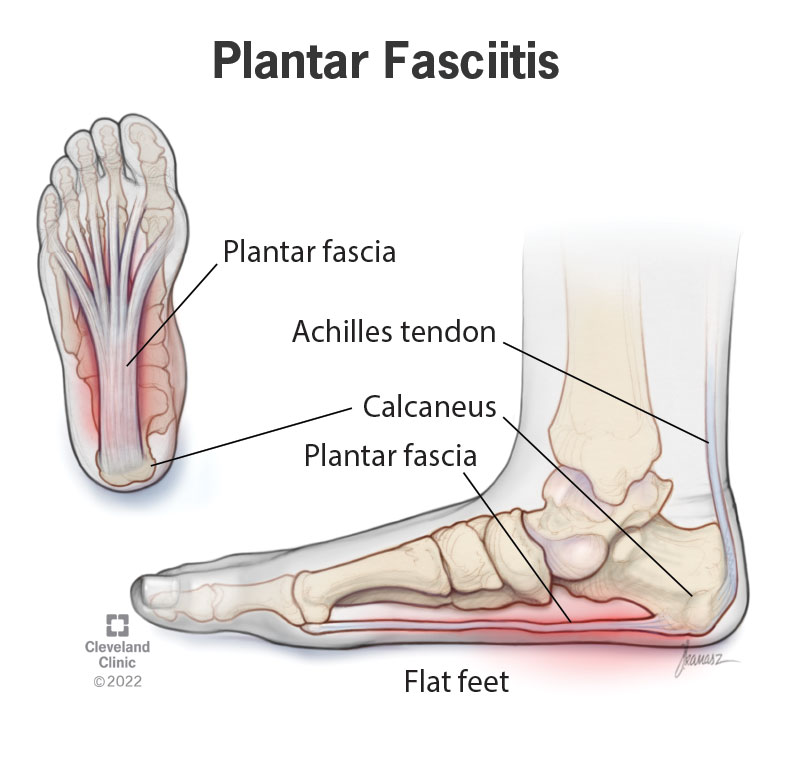


Heel pain is one of the most common foot problems and is often caused by plantar fasciitis. It can make everyday activities like walking, standing, or getting out of bed in the morning uncomfortable and frustrating. Understanding the condition early can help prevent long-term pain and mobility issues.
What Is Plantar Fasciitis?
Plantar fasciitis occurs when the plantar fascia—a thick band of tissue running along the bottom of your foot—becomes inflamed. This tissue supports the arch of your foot, and repeated stress or strain can cause small tears, leading to pain and stiffness.
Common Symptoms
- Sharp or stabbing pain in the heel
- Pain that is worse with the first steps in the morning
- Discomfort after long periods of standing or walking
- Tightness in the arch or heel area
Symptoms may start gradually and worsen if left untreated.
What Causes Heel Pain?
Heel pain and plantar fasciitis can be triggered by:
- Prolonged standing or walking
- Poor or unsupportive footwear
- Flat feet or high arches
- Sudden increase in physical activity
- Tight calf muscles or Achilles tendon
- Excess body weight putting extra stress on the feet
How Heel Pain Is Treated
Treatment focuses on reducing inflammation, relieving pain, and supporting proper foot function. Depending on severity, care may include:
- Stretching and strengthening exercises
- Footwear assessment and orthotics
- Ice therapy and activity modification
- Professional foot care or podiatry treatment
Early treatment is key to faster recovery and preventing recurrence.
When to Seek Professional Care
If heel pain persists for more than a few weeks, interferes with daily activities, or keeps returning, professional foot care is strongly recommended. A foot specialist can properly assess the cause and create a personalized treatment plan.
Take the First Step Toward Pain Relief
Heel pain doesn’t have to slow you down. With proper care and timely treatment, plantar fasciitis can be effectively managed, helping you return to comfortable, pain-free movement.