


Your lower extremities endure an incredible amount of mechanical stress during everyday activities. Every single step you take forces your feet to absorb the heavy impact of your entire body weight. Consequently, maintaining excellent structural health in your skin barrier is essential for overall physical mobility. However, a deep and persistent split can develop around the edge of your heel without warning. You might notice a sharp, stinging discomfort right when your foot strikes the ground during your morning routine. This specific skin situation is frequently the clinical reality known across the medical field as heel fissures or cracked heels. Many individuals initially assume that this localized dryness is just a minor, cosmetic nuisance. They believe it is a simple surface roughness that will disappear on its own after a few days of rest.
Unfortunately, ignoring chronic skin dryness can lead to severe bleeding and dangerous deep infections over the following weeks. This condition requires a thorough understanding of skin hydration dynamics and daily care routines to manage effectively before permanent tissue splitting occurs. Choosing to address the problem early is an essential step toward protecting your daily comfort and your long-term mobility.
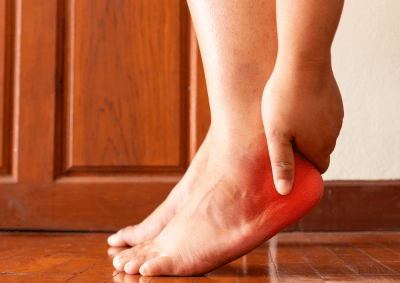
What Exactly Are Cracked Heels?
To manage this uncomfortable condition successfully, you must first understand its true anatomical nature. Cracked heels are not merely a random accumulation of dry skin on the bottom of your feet. Instead, they represent a complete loss of elasticity in the thick border surrounding your heel pad. This skin breakdown typically forms over a period of many weeks as moisture levels drop significantly.
Initially, the outer layer of skin, known as the stratum corneum, becomes extremely thick, hard, and yellowed. Concurrently, the normal fat pad underneath your heel expands outward under the pressure of your standing body weight.
Consequently, the unyielding, dry skin borders cannot stretch to accommodate this natural downward pressure. This mechanical conflict causes the rigid skin to split, creating painful vertical cracks called fissures. Therefore, a careful physical evaluation of your feet is necessary to determine the depth of the splitting. This precise diagnostic approach turns a frustrating guessing game into a clear and structured treatment path toward recovery.
Identifying the Primary Root Causes Of Cracked Heels
Many people assume that cracked heels are solely caused by forgetting to apply lotion after taking a bath. This widespread belief is only partially correct from a medical perspective because severe skin splitting forms from multiple factors.
The primary driver behind this structural skin breakdown is a long history of chronic skin dehydration combined with friction. For example, walking consistently barefoot or wearing open-backed sandals allows the heel fat pad to expand sideways continuously. Furthermore, standing for long hours on hard concrete or tile floors places immense physical pressure on the outer skin borders. This continuous mechanical force causes the brittle, dry epidermal layers to tear apart under your body weight.
Additionally, underlying health conditions like diabetes, thyroid dysfunction, psoriasis, or eczema can reduce natural skin oil production significantly. For detailed information on identifying skin barrier breakdown and exploring advanced dermatological therapies, you can consult the American Podiatric Medical Association to read their expert clinical guidelines. Cracked heels are almost always the physical consequence of mechanical strain combined with severe moisture loss rather than a sudden standalone event.
Common Symptoms and Diagnostic Stages Of Cracked Heels
It is incredibly important to evaluate your skin carefully before starting any random over-the-counter therapeutic routine. Different stages of the condition present unique physical sensations, but almost all variations cause clear structural limitations:
- Thickened Yellow Ridge: A hard, calloused rim forms along the entire outer border of the heel pad.
- Deep Vertical Fissures: Visible splits cut down through the thick outer skin layers toward the soft tissue beneath.
- Sharp Stinging on Pressure: Standing up or walking barefoot produces an immediate, sharp pain along the heel rim.
- Active Bleeding and Oozing: The fissures split deeply into the dermal layers, causing light bleeding or clear fluid leakage.
- Localized Erythema and Warmth: Redness and heat develop around the cracks, indicating early bacterial infection.
Ultimately, these combined symptoms point to a severe failure of your skin barrier under normal daily stress. They can restrict your choice of footwear and cause a significant decline in your daily physical comfort.
How Skin Splitting Affects Your Kinetic Chain
When deep heel fissures create constant stinging pain, your body will instinctively alter its natural movement patterns to avoid the discomfort. This continuous physical compensation forces your upper skeletal structures to absorb unnatural forces during movement.
[Deep Heel Fissure Pain] --> [Altered Heel-Strike Gait] --> [Ankle Joint Stiffness]
                                                                      |
                                                                      v
[Chronic Spinal Strain] <-- [Pelvic Alignment Shift] <-- [Knee Rotation Stress]
First, you will begin to shorten your stride significantly to avoid landing firmly on your heel bone during a step. This protective adjustment shifts your body weight entirely onto the front toes or the outer edge of your foot.
Next, your ankle joint must stiffen up completely to keep your heel pad from expanding naturally during foot strike. This unnatural stiffness forces the knee joint to twist inward to move your leg forward in a straight line.
Subsequently, the hip muscles must tighten excessively to keep your upper torso balanced upright despite the awkward leg motion. This continuous strain can eventually cause severe, chronic lower back pain over time. Therefore, resolving the primary skin issue early protects your larger upper joints from experiencing unnecessary wear and tear.
Non-Surgical Treatments and Daily Care Protocols
Fortunately, the vast majority of individuals can manage their symptoms successfully without ever needing an invasive medical procedure. The main objective of conservative care is to restore moisture, soften the thick callus, and close the open splits.
The Home Recovery Timeline
- Warm Soaking and Soft Exfoliation: Soak your feet in warm water for fifteen minutes to soften the thick epidermal layers thoroughly. Gently rub a pumice stone over the soft calloused rim to remove dead skin cells without cutting the tissue.
- Intense Keratolytic Moisturizing: Apply a thick moisturizing cream containing urea, salicylic acid, or alpha-hydroxy acid immediately after drying your feet. These active ingredients help break down hard keratin bonds while locking deep hydration into the skin layers.
- Occlusive Barrier Protection: Apply a thick layer of petroleum jelly or heavy heel balm over the cracked heels before going to sleep at night. Cover your feet with clean cotton socks to seal in the moisture and prevent the ointment from rubbing off on your bedsheets.
Comparing Moisturizing Formulas for Heel Care
Choosing the right type of foot cream can make a massive difference in your daily recovery time. It is helpful to compare the primary features of deep therapeutic ointments against standard light lotions.
| Product Feature | Standard Light Body Lotions | Keratolytic Therapeutic Ointments |
| Active Ingredients | Basic water, glycerin, and light synthetic oils | High concentration urea (20-40%) or salicylic acid |
| Callus Dissolution | Zero chemical breakdown of hardened skin layers | Actively dissolves hard keratin bonds to soften calluses |
| Barrier Retention | Evaporates quickly from the skin surface within hours | Creates a thick protective seal that locks in deep moisture |
| Depth of Hydration | Hydrates only the very top surface layers lightly | Penetrates deep into thick, cracked epidermal tissues |
Crucial Warning: Attempting to shave off thick heel calluses at home using razor blades, scissors, or sharp instruments usually leads to severe cuts, excessive bleeding, and dangerous deep tissue infections.
Essential Preventive Habits for Daily Protection
Modifying your daily footwear choices and moisturizing habits is a non-negotiable part of maintaining your long-term skin health. If you return to walking barefoot on hard floors after your skin heals, the fissures will steadily return.
First, avoid wearing open-backed shoes, thin flip-flops, or going completely barefoot on hard surfaces inside your home. Always wear supportive, closed-back shoes or cushioned recovery sandals with cotton socks to keep your fat pad contained.
Second, drink plenty of water throughout the day to ensure that your internal body tissues remain fully hydrated. External moisturizers work best when your body is properly hydrated from within.
Finally, inspect your heels daily during your bathing routine to catch early signs of skin thickening before splits form. Investing a small amount of time into proper preventative care protects your physical foundation for decades to come. Your feet connect you to the wider world, so treat them with regular care and respect.